






Overview
In an era where AI strategy often stays theoretical, I took a different approach: build, ship, iterate. Over two weeks, I developed three functional AI-powered applications using vibe coding—demonstrating how strategic leaders can stay hands-on with emerging technology while building practical AI literacy.
The Challenge: Bridge the gap between AI strategy and execution. Too many leaders talk about AI transformation without understanding the technical realities, constraints, and possibilities of modern AI tools.
The Approach: Learn by doing. Use accessible tools (Claude for development, Gemini AI API, Vercel hosting—all free tiers) to build functional applications that explore AI capabilities in an approachable, even playful way. Sometimes the best learning happens when you're not trying to solve the world's problems—just experimenting to see what's possible.
Timeline: Less than two weeks
Cost: $0 (leveraged free tiers across all platforms)
Technical Stack: Claude (vibe coding), Vercel (hosting), Gemini AI API
The Applications
1. Bio Pun Generator
bio-pun-generator.vercel.app
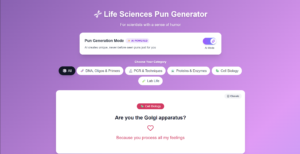
Generates science-themed puns for marketing campaigns, social media, and team engagement. Built to explore natural language generation and understand how AI handles domain-specific humor—a surprisingly complex challenge that reveals AI's contextual understanding capabilities.
Strategic insight: AI handles creative content generation better than expected. Understanding where AI exceeds expectations helps identify high-value applications for marketing content creation.
2. Micro Storytelling
micro-storytelling.vercel.app
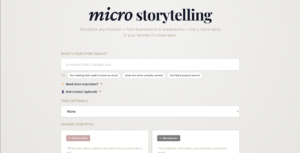
Creates concise, compelling narratives for social media and digital campaigns. Explored how AI can support content marketers in scaling storytelling while maintaining brand voice consistency.
Strategic insight: AI-assisted content creation works best when humans provide strategic direction and AI handles tactical execution. The sweet spot for marketing teams isn't replacement—it's augmentation.
3. Career Mixologist
career-mixologist.vercel.app

Blends skills, interests, and experiences into career path recommendations. Built to understand how AI can support HR and talent development initiatives in life sciences organizations.
Strategic insight: Building this app revealed that effective AI development requires iterative prompting—checking work, requesting improvements, optimizing for multiple contexts. AI output quality depends on prompt strategy, not just tool access. Understanding this shapes realistic expectations for team AI adoption.
What I Learned
Technical Reality Check
Building applications yourself reveals what's actually possible versus what's promised. API rate limits, response variability, and cost structures matter when scaling from prototype to production. Leaders who understand these constraints make better strategic decisions about AI investments.
Rapid Prototyping as Strategy Tool
Two weeks from concept to deployed applications. This velocity changes how we evaluate build-versus-buy decisions. Many "enterprise AI solutions" can be prototyped internally faster than vendor evaluation cycles.
Free Tiers Are Strategic Assets
$0 spent demonstrates that AI experimentation doesn't require massive budgets. Organizations can test, learn, and validate before committing to enterprise contracts. This matters when building business cases for platform investments.
Vibe Coding Bridges Strategy and Execution
Working directly with Claude to build applications creates practical AI literacy that informs strategic planning. Understanding prompt engineering, context management, and AI limitations firsthand makes you a better evaluator of vendor claims and internal capabilities.
Strategic Applications for Life Sciences
These experiments directly inform how I approach AI strategy:
Customer Experience: Understanding AI's content generation capabilities helps evaluate chatbot and customer support automation vendors with realistic expectations.
Marketing Efficiency: Hands-on experience with AI-assisted content creation informs decisions about marketing operations tools and workflows.
Team Development: Demonstrating rapid AI prototyping capabilities shows teams what's possible, reducing fear of AI adoption while maintaining realistic expectations.
Platform Investment Decisions: Technical understanding of API integrations, hosting requirements, and scalability constraints improves vendor evaluation and architecture planning.
Building as Strategy
Strategic leaders don't need to code—but understanding what's possible by building creates better strategy.
In two weeks, I went from AI strategy theory to shipping three functional applications. This hands-on approach:
- Validates strategic assumptions with real technical constraints
- Builds credibility when evaluating vendor solutions
- Demonstrates learning velocity and adaptability
- Shows teams that AI experimentation is accessible, not intimidating
Most importantly: it proves that strategic thinking and tactical execution aren't separate skills. The best strategies come from leaders who understand implementation realities.
Try the applications:
Bio Pun Generator | Micro Storytelling | Career Mixologist
Technology Stack: Claude (vibe coding), Vercel (hosting), Gemini AI API (all free tiers)